Pembrokeshire Thatch and Carpentry Services
Specialist Welsh thatchers operating since 1982, reviving traditional vernacular techniques — combed wheat straw, wattle and daub, and stuff thatching — on historic longhouses, cottages and museum reconstructions.
Pembrokeshire Thatch and Carpentry Services was established in 1982 by Alan Jones, who first became involved with thatch through work on a reconstructed Iron Age village near his home in west Wales. Originally trained as a carpenter, Jones supervised timber work and historical reconstruction projects before training professionally as a thatcher from 1995 onwards. Today he works alongside his apprentice Dafydd Driver, the only Welsh apprentice thatcher to have attended Knuston Hall, the UK's last remaining thatching college.
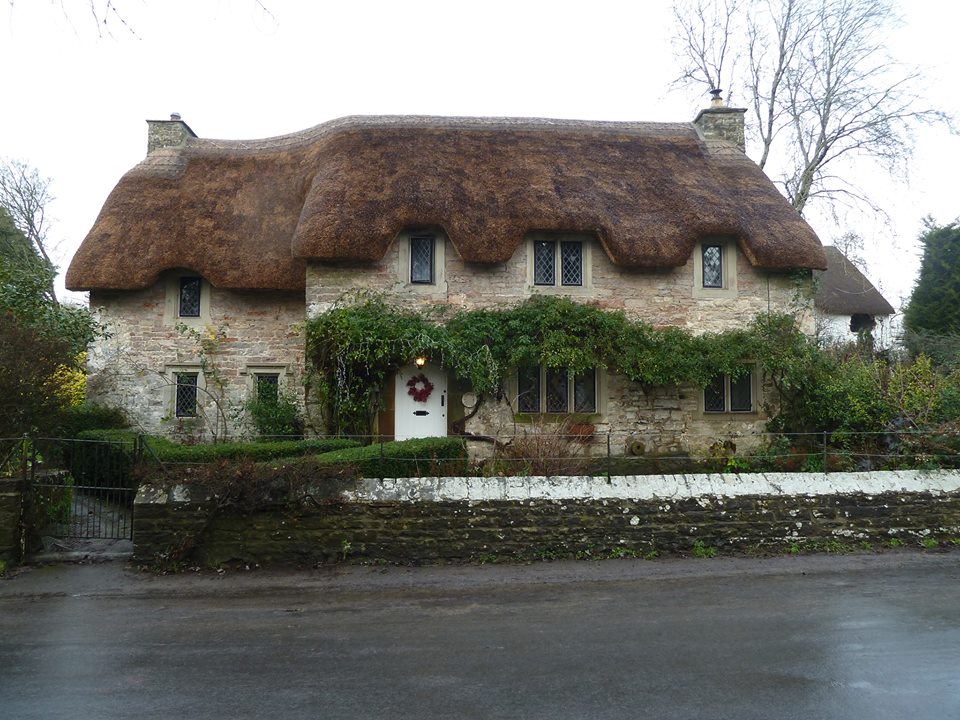
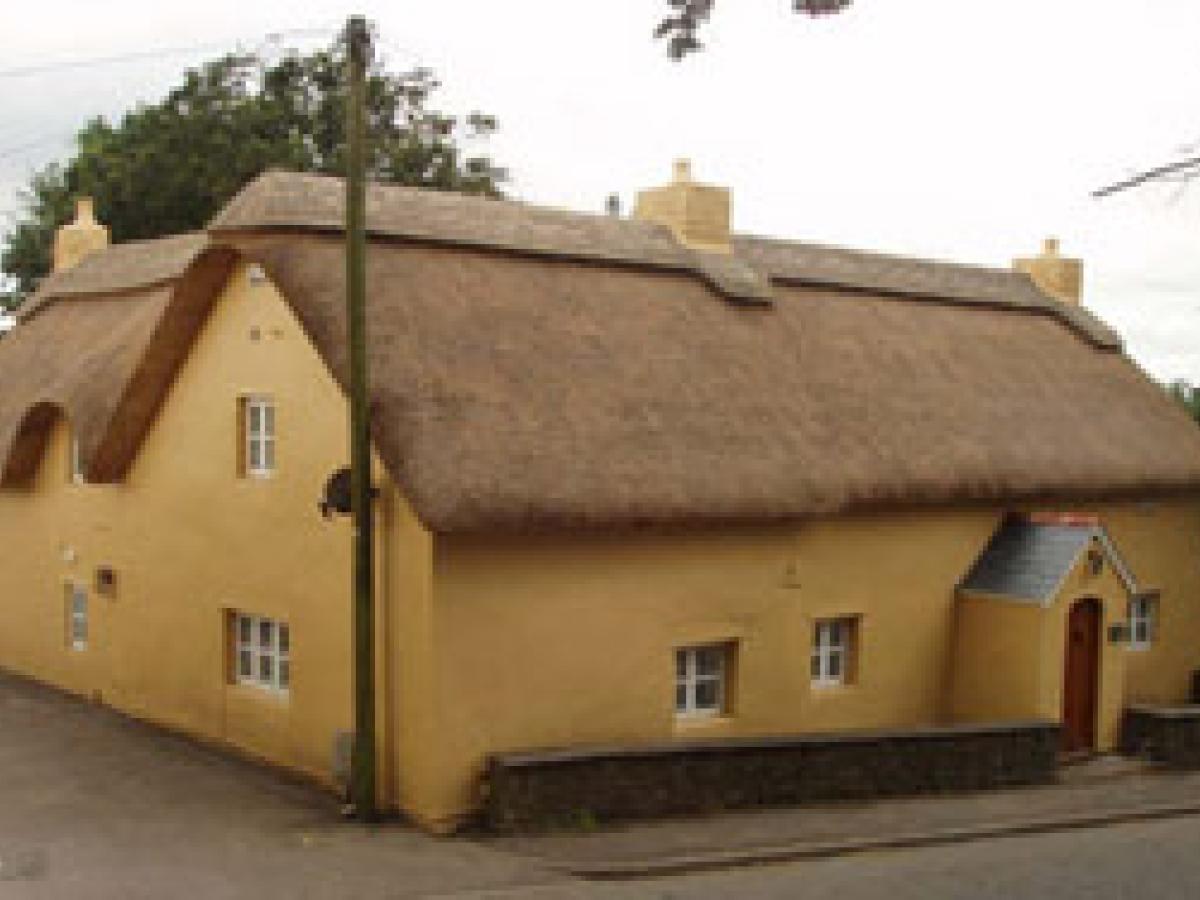
The company specialises in traditional vernacular Welsh thatching, having moved deliberately away from water reed — historically inappropriate for Welsh buildings — toward combed wheat straw and heritage wheat varieties grown locally to reconnect modern practice with historic farming traditions. Their work spans residential roofs, listed and historic building restoration, wattle and daub repair, and timber carpentry using techniques ranging from ancient to contemporary methods. They also undertake experimental archaeology, museum reconstruction, and film and theatrical thatching, and run teaching and workshops to pass on traditional skills.
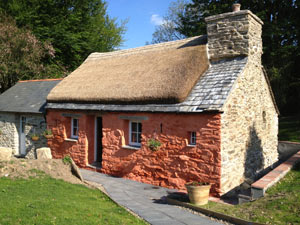
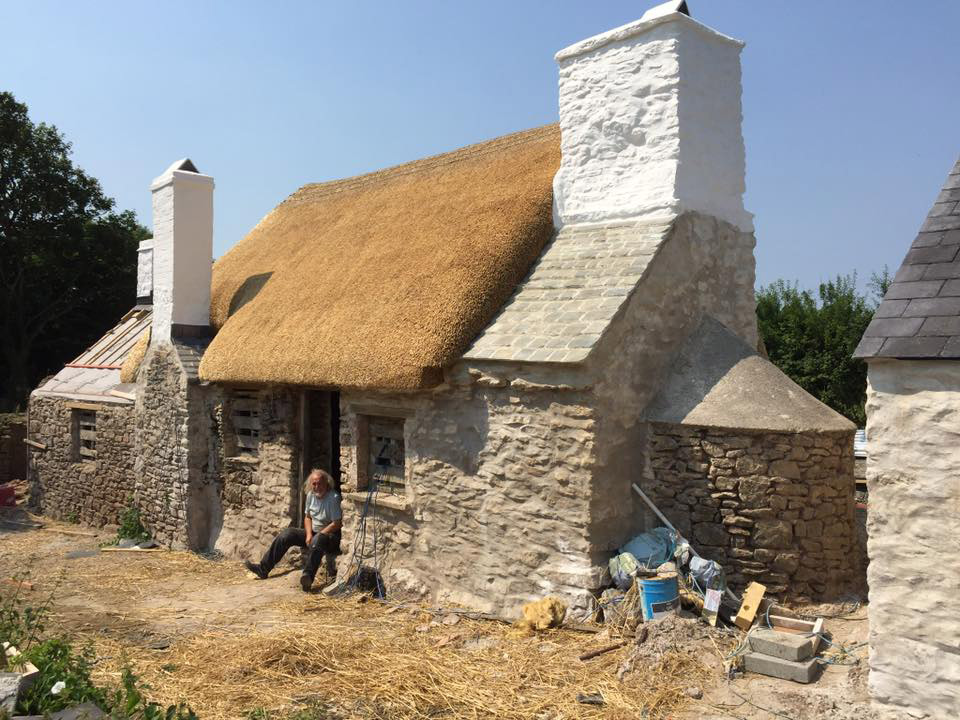
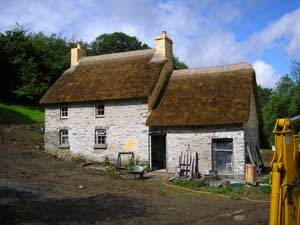
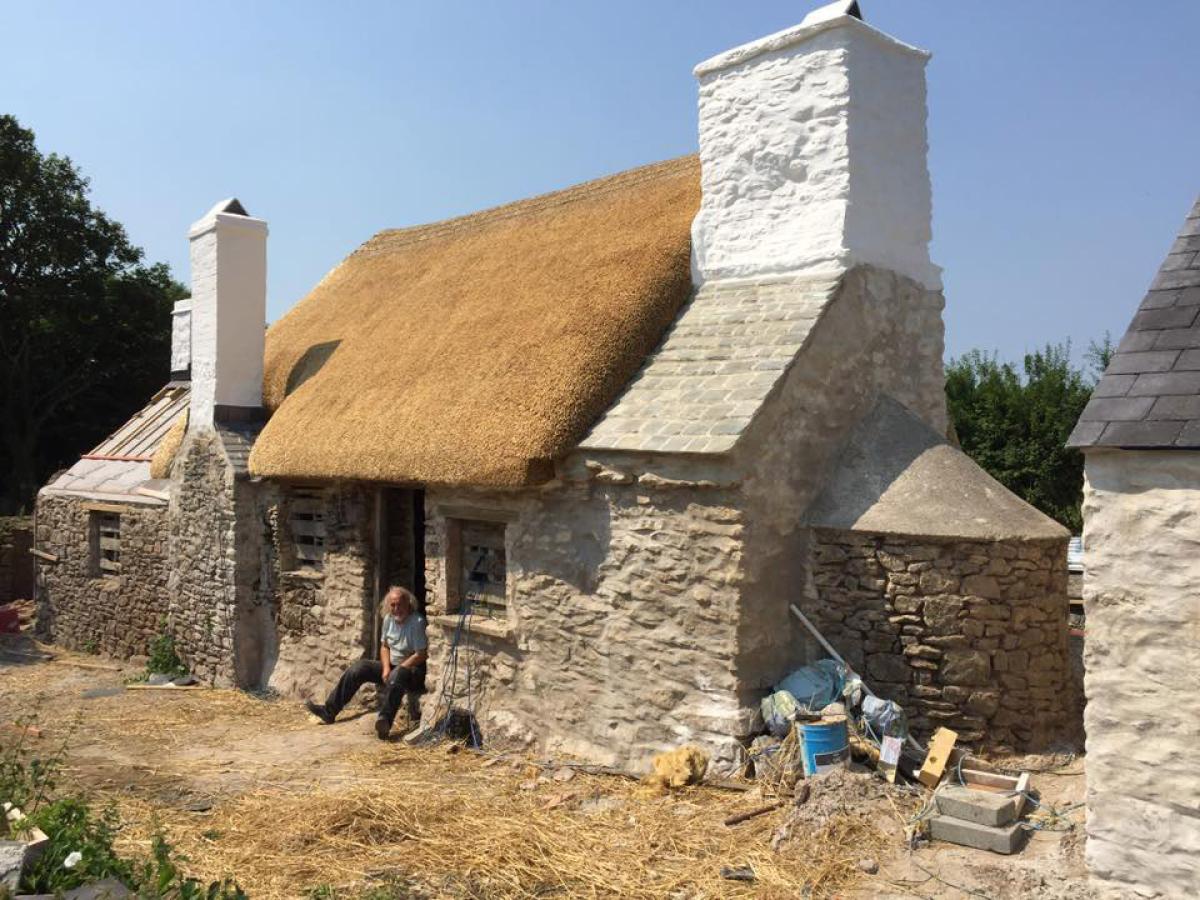
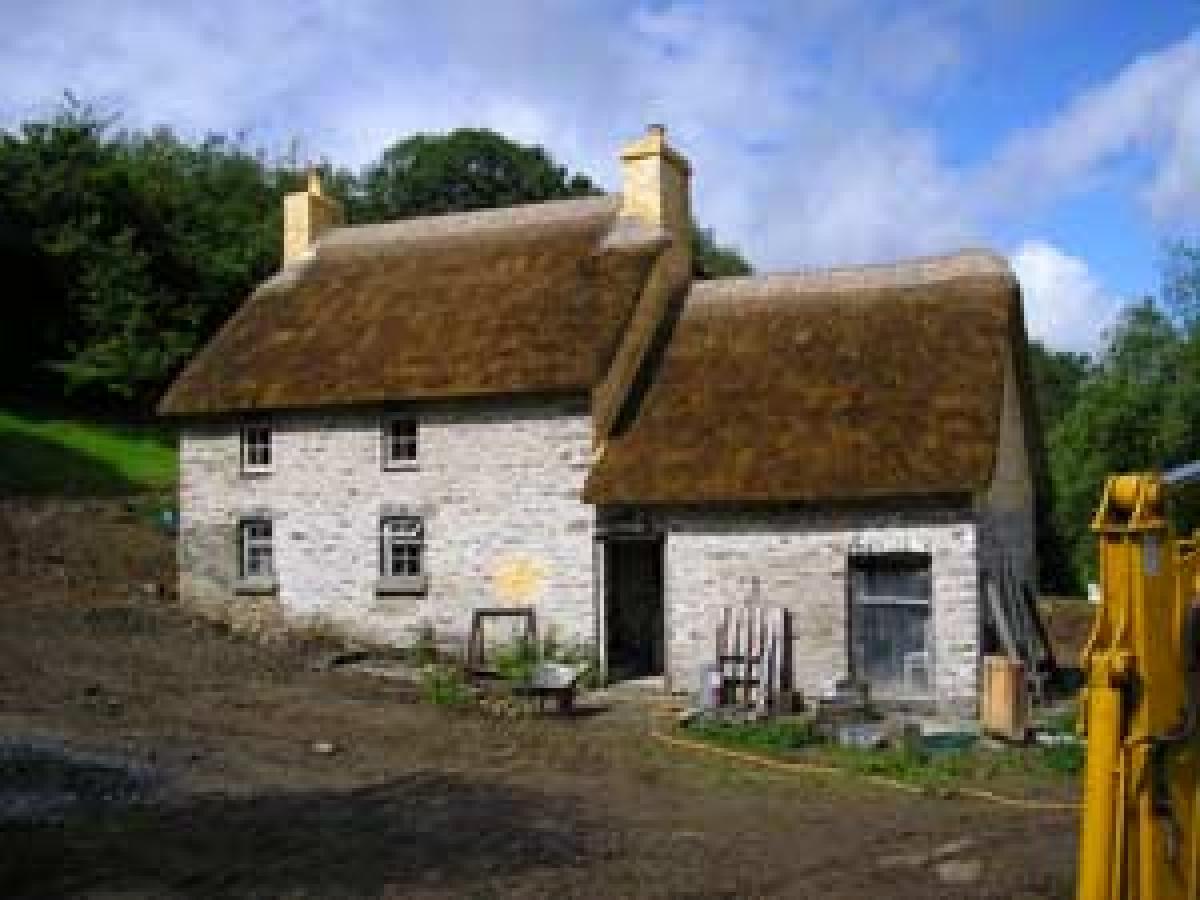
Notable projects include the restoration of Tyn Cum, a thatched longhouse rebuilt from the wall tops up after a serious fire, reviving both combed wheat thatching and the historic Welsh "stuff thatching" technique; a three-hundred-year-old thatching method recreated at Merthyr Mawr; and an over-slate thatching project on a ruined cottage at Brynberian in the Preseli Hills. The company is a member of the Thatching Straw Growers Association, the Prince's Foundation, and EXARC, the international experimental archaeology network.
Contact Details
Mobile 07971 705 096
Email pembsthatch@hotmail.com
Website https://www.thatchingwales.co.uk
Address
Can y Mor, Fishguard RoadNewport
SA42 0UB
Wales
United Kingdom