
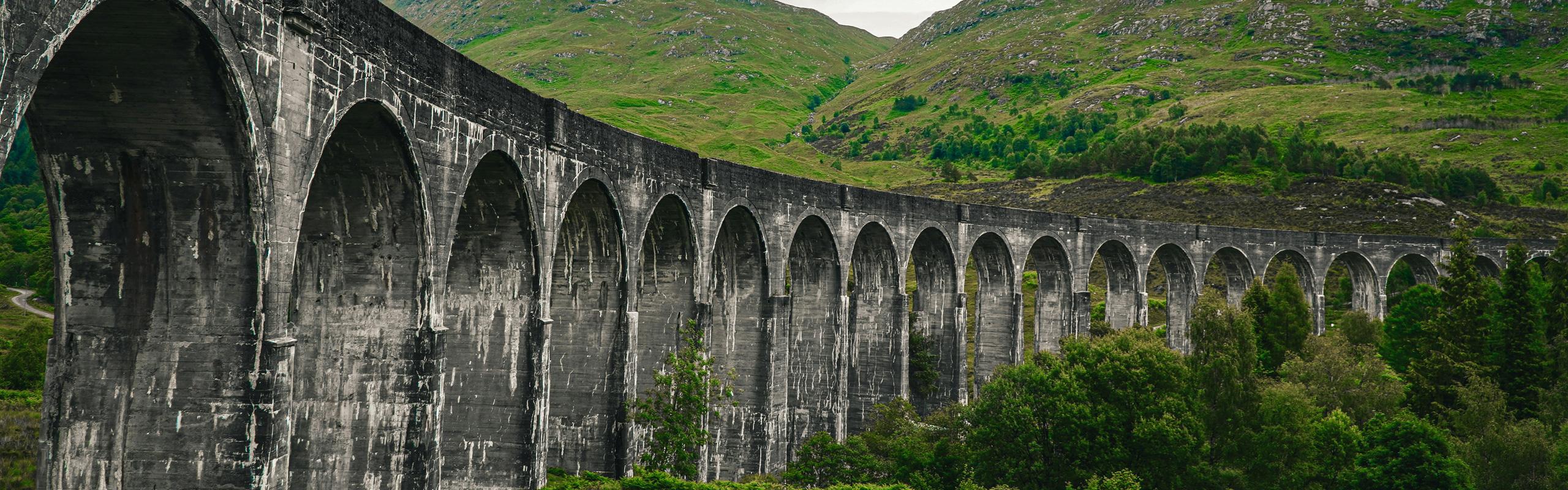
Scotland's charity for conservation, caring for mountains, forests, islands, coastline, countryside, and buildings for present and future generations.
The National Trust for Scotland is Scotland's largest conservation charity, caring for and promoting Scotland's natural and cultural heritage. The Trust looks after more than 100 properties and 76,000 hectares of countryside, including mountains, coastline, forests, islands, and some of Scotland's most celebrated historic buildings, designed landscapes, and collections.
For conservation practitioners, the Trust is a significant employer of specialist building skills, managing a diverse portfolio that ranges from prehistoric monuments and medieval towers to Georgian townhouses, Victorian castles, and Arts and Crafts interiors. The Trust's conservation programme applies traditional repair techniques and materials throughout its estate.
Membership of the National Trust for Scotland funds conservation work across the estate, and the Trust maintains close relationships with Historic Environment Scotland and other heritage bodies in its role as steward of some of the country's most significant built and natural heritage assets.
For conservation practitioners, the Trust is a significant employer of specialist building skills, managing a diverse portfolio that ranges from prehistoric monuments and medieval towers to Georgian townhouses, Victorian castles, and Arts and Crafts interiors. The Trust's conservation programme applies traditional repair techniques and materials throughout its estate.
Membership of the National Trust for Scotland funds conservation work across the estate, and the Trust maintains close relationships with Historic Environment Scotland and other heritage bodies in its role as steward of some of the country's most significant built and natural heritage assets.
History
The National Trust for Scotland was established by Act of Parliament in 1931, six years before the equivalent body in England and Wales. From the outset it had powers of inalienability over its properties — the ability to hold land and buildings in perpetuity, protected from compulsory purchase or sale.Its first acquisition was Culzean Castle in Ayrshire, and from the 1940s the Trust took on increasing responsibility for Scotland's historic houses and designed landscapes as landed estates became unviable to maintain privately. Key milestones include the acquisition of Glencoe in 1935, Culzean Castle and Country Park in 1945, and the ongoing stewardship of properties ranging from Crathes Castle and Haddo House to the tenements of Glasgow's Tenement House and the modernist Hill House by Charles Rennie Mackintosh.
Protecting Scotland's heritage for present and future generations.